Three masks, three price points, and an honest verdict on which one deserves your money.
This article contains affiliate links. If you buy through them, Peony & Grace may earn a commission at no extra cost to you. As an Amazon Associate, Peony & Grace earns from qualifying purchases.
They're all over your feed: glowing red masks, worn by everyone from celebrities to your neighbor. LED masks have moved from the dermatologist's office to the nightstand, and the prices range from under $100 to well over $600.
So are they worth it? The honest answer: it depends on what you expect, how consistent you'll be, and which mask you choose. Below, we break down what the science actually says, compare three popular masks at three price points, and help you decide whether one belongs on your wish list.
What LED Light Actually Does
LED masks shine specific colors of light onto the skin. Each color, measured in nanometers (nm), does a different job:
- Red light (about 630 to 660 nm) is thought to help skin cells produce more energy, which supports collagen and calms inflammation. This is the light most associated with fine lines and firmness.
- Near-infrared (about 830 to 850 nm) reaches a little deeper and is often paired with red light for anti-aging results.
- Blue light (about 415 nm) targets the bacteria behind breakouts, which makes it useful for adult acne.
What the research says: dermatologists note that studies show red light may soften the look of wrinkles and pigmentation and improve elasticity and hydration. The American Academy of Dermatology says red light may help with signs of skin aging, while the Cleveland Clinic notes that more high-quality studies are needed.
- At-home masks are gentler than in-office treatments. They use much lower energy, which makes them safe for home use, but it also means results are subtle and gradual.
- Consistency is everything. Dermatologists typically recommend using a mask three to five times a week for at least a couple of months, about 10 minutes a session.
- “FDA-cleared” means low risk, not guaranteed results. Clearance is a good sign of safety and quality, but it isn't a promise that a device works for everyone.
- Many studies are funded by the brands themselves. That doesn't make them wrong, but it's why we look for independent testing too.
In short: LED isn't magic, and it isn't a facelift. For the right person, used consistently, it can be a lovely, low-effort addition to a skincare routine.
The Three Masks, Compared
We chose three popular options at three price points, plus two worth knowing about.
| Feature | The Save | The Sweet Spot | The Splurge |
|---|---|---|---|
| Device | LightStim for Wrinkles | Omnilux Contour Face | Therabody TheraFace Mask |
| Price | About $249 | About $395 | About $650 (often on sale) |
| Light | Red and near-infrared (605 to 855 nm) | Red (633 nm) and near-infrared (830 nm) | Red, near-infrared, and blue |
| Style | Handheld paddle, not a mask | Flexible silicone mask | Full mask |
| Best for | Fine lines, on a budget | Anti-aging with the strongest research behind it | Anti-aging plus breakouts |
LightStim for Wrinkles
- Price
- About $249
- Light
- Red and near-infrared (605 to 855 nm)
- Style
- Handheld paddle, not a mask
- Best for
- Fine lines, on a budget
Omnilux Contour Face
- Price
- About $395
- Light
- Red (633 nm) and near-infrared (830 nm)
- Style
- Flexible silicone mask
- Best for
- Anti-aging with the strongest research behind it
Therabody TheraFace Mask
- Price
- About $650 (often on sale)
- Light
- Red, near-infrared, and blue
- Style
- Full mask
- Best for
- Anti-aging plus breakouts
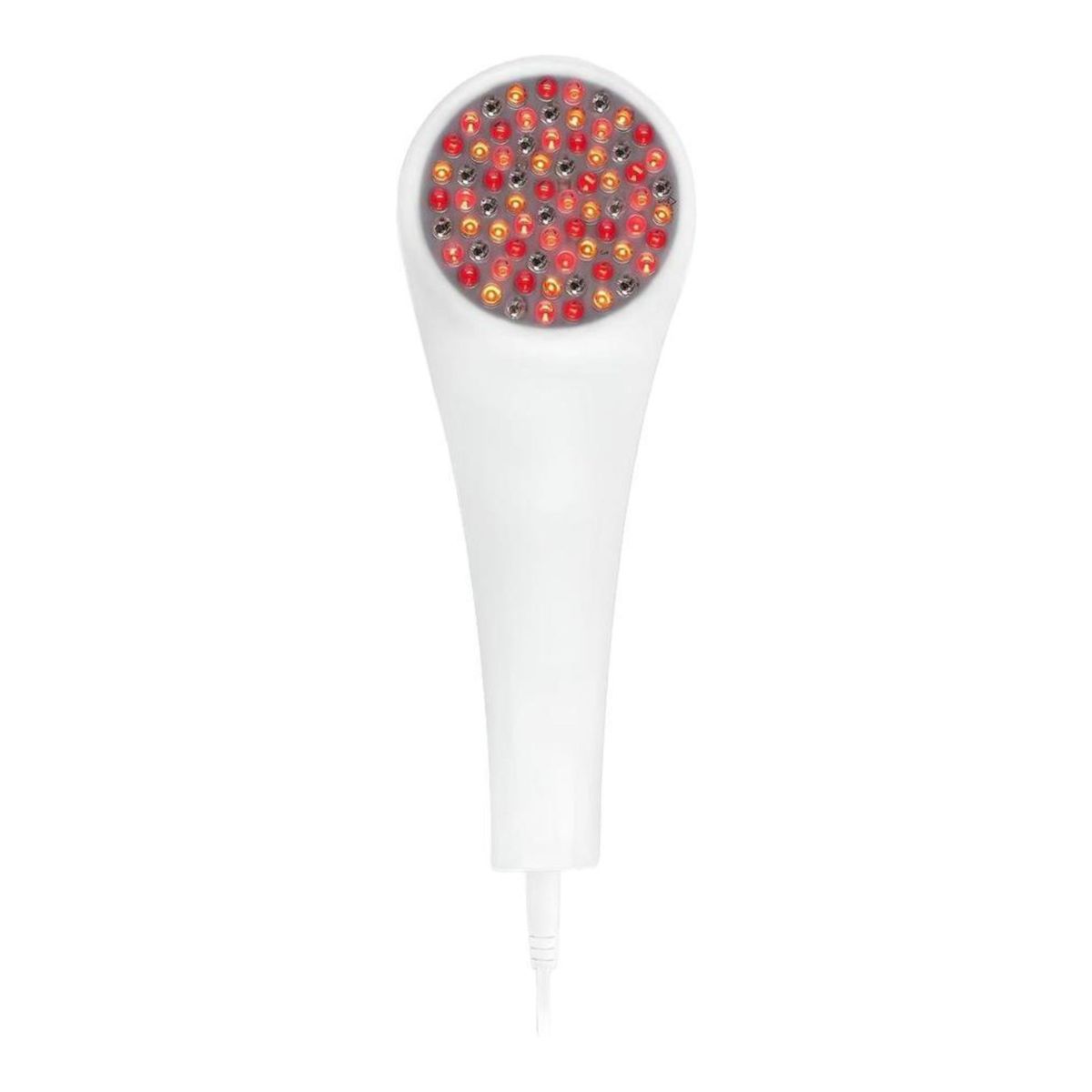
LightStim for Wrinkles
Not technically a mask, but a handheld light paddle, and one of the longest-standing FDA-cleared devices for wrinkles. You hold it on each area for about three minutes, so a full treatment takes 15 to 20 minutes.
Shop now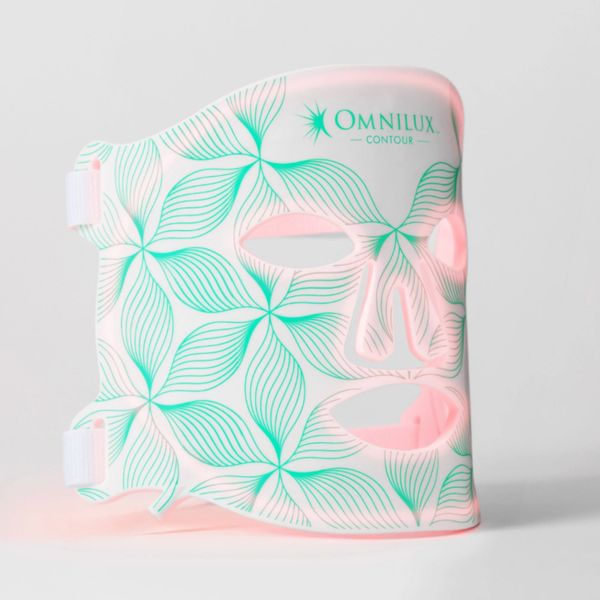
Omnilux Contour Face
A soft, flexible silicone mask that molds to your face, which helps the light sit close to the skin. It's frequently named the best overall LED mask, largely because the device itself has been clinically tested.
Shop now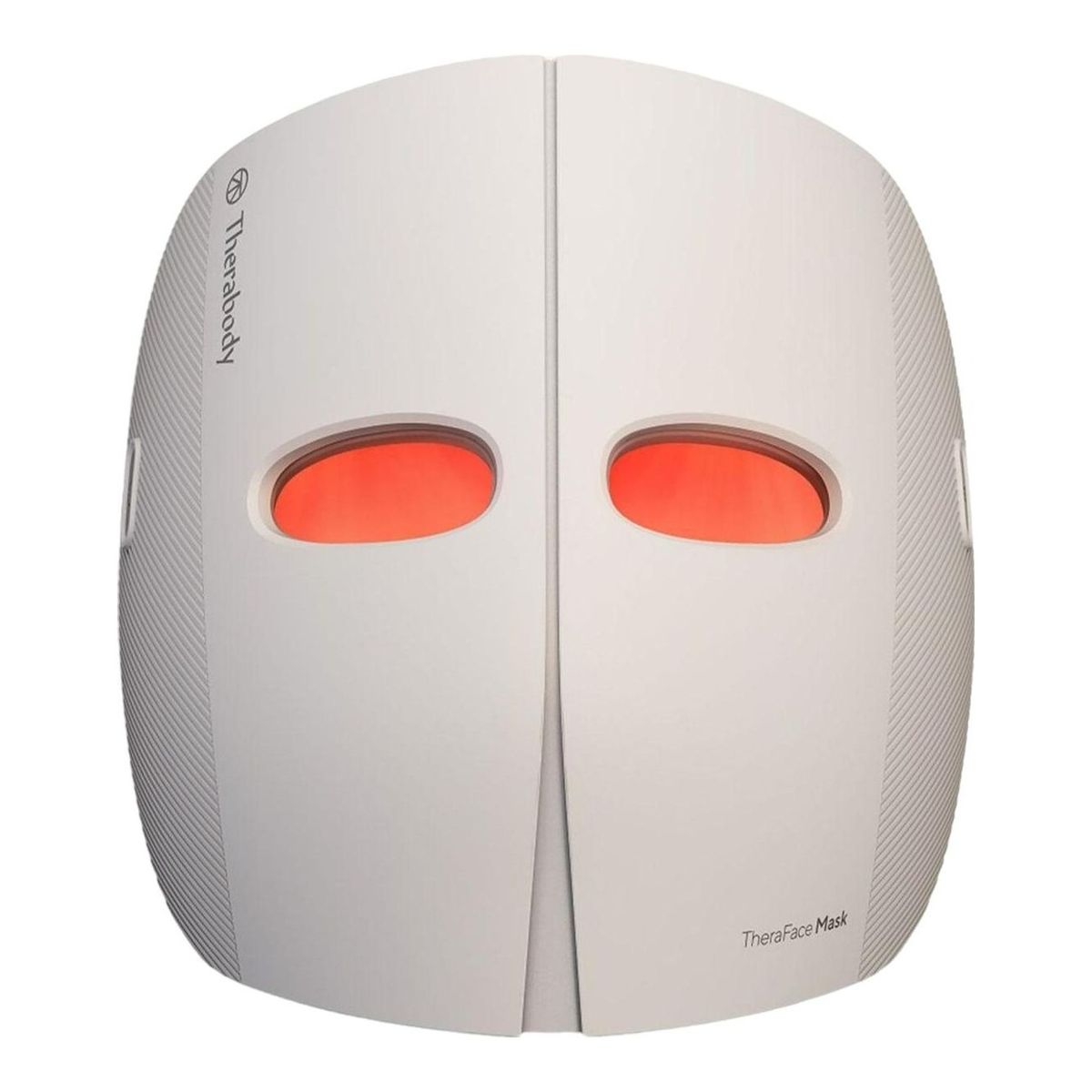
Therabody TheraFace Mask
A full mask from the recovery brand behind the Theragun, with red, near-infrared, and blue light in one device. It adds a soothing vibration massage and is frequently discounted, so a sale changes the math considerably.
Shop nowAlso Worth Knowing
- CurrentBody LED Mask Series 3 (about $570): the newest version, with six wavelengths, 750 LEDs, and custom treatments you build in an app, though its studies are run by the brand.
- Dr. Dennis Gross DRx SpectraLite FaceWare Pro (about $455): a dermatologist-founded brand with FDA clearance for both wrinkles and acne.
The Verdict: Is an LED Mask Worth It?
It's worth it if you:
- Want a gentle, low-effort way to support firmness and soften fine lines over time
- Will genuinely use it three to five times a week (try pairing it with something you already do, like an evening show or podcast)
- Have realistic expectations: subtle improvement over months, not overnight change
- Deal with occasional adult breakouts (choose a mask with blue light)
Skip it, or wait, if you:
- Want dramatic results quickly; in-office treatments are stronger
- Know it will end up in a drawer; the best mask is the one you'll actually use
- Have melasma or are prone to dark spots; visible light can make these worse, especially for darker skin tones, so talk to your dermatologist first
- Have light sensitivity, or take medication that makes you sensitive to light
For most women, the Omnilux Contour Face is the sweet spot of comfort, price, and research. If breakouts are part of the picture, watch for a sale on the Therabody TheraFace Mask. And if you're curious but cautious, the LightStim is the most affordable way to try it.
Safety notes: follow each device's eye-safety instructions, and stop using it if you notice irritation, dryness, or changes in pigmentation. If you're pregnant, have a skin condition, or take medications that cause light sensitivity, check with your doctor or dermatologist first.
How to Get the Most From Your Mask
- Start with clean, dry skin. Remove makeup and skincare first so the light reaches your skin.
- Keep it close. The light works best when the device touches or nearly touches your skin.
- Follow the timer. Most masks run about 10 minutes. More isn't better.
- Moisturize afterward. LED can leave skin feeling a little dry, so follow with your favorite serum and moisturizer.
- Make it a ritual. Same time, same place, three to five times a week. Pair it with a cup of tea or your evening show.
- Take a “before” photo. Changes are gradual, so photos in the same light every four weeks help you see real progress.
An LED mask is a ritual, not a miracle. Choose the one you'll use, and give it two months.