New research confirms what so many of us have felt: sleep shifts in this chapter of life. Here's what's happening, and what makes a real difference.
This article is for general information and isn't medical advice. Please talk with your doctor about any sleep or health concerns. It contains affiliate links; if you buy through them, Peony & Grace may earn a commission at no extra cost to you. As an Amazon Associate, Peony & Grace earns from qualifying purchases.
It starts quietly. You fall asleep fine, then wake at 3 a.m., wide awake for no clear reason. Or you kick off the covers, pull them back on, and repeat. Some mornings you feel rested; others, as if you barely slept at all.
If this sounds familiar, you're far from alone, and it isn't in your head. Sleep often changes in the years around menopause, and science is finally paying closer attention. Here's what we're learning, why it happens, and the steps that genuinely help.
What the New Research Found
This May, researchers at the Harvard T.H. Chan School of Public Health shared new findings from the Apple Women's Health Study, one of the largest real-world looks at sleep around menopause. They analyzed more than 94,000 nights of Apple Watch sleep data from 338 women, most aged 45 to 59, covering the year before and the year after their final menstrual period.
What they found:
- Waking during the night became more common. In the 18 months before menopause, 60% of the women who tracked their sleep showed more time awake after first falling asleep.
- Menopause affected sleep more than aging alone. The researchers concluded that the transition brings “a sharper increase in sleep disruptions beyond what would be expected from aging alone.”
- Most women noticed it. 84% of those tracking their sleep said their sleep changes were related to the menopause transition.
- Everyone is different. Some women had large changes; others had none at all.
In other words, if your sleep has changed, the science backs you up. And if it hasn't, that's normal too.
Why Sleep Changes in This Season
There's rarely just one reason. Usually it's a combination of these:
- Shifting hormones. Falling estradiol and rising follicle-stimulating hormone (FSH) are linked to disrupted sleep, even without night sweats.
- Hot flashes and night sweats. These can wake you suddenly, and women who have them tend to report more sleep problems. Interestingly, researchers estimate that only about a third of nighttime waking in this transition is tied to hot flashes, which means other factors matter just as much.
- Mood and a racing mind. Anxiety, stress, and mood changes can make it harder to fall or stay asleep. Worrying about sleep can then become its own cycle.
- More trips to the bathroom. Hormone changes affect the tissues of the urinary tract, making nighttime urgency more common.
- Sleep disorders that become more likely. The risk of sleep apnea (pauses in breathing during sleep) rises in perimenopause, and restless legs syndrome becomes more common too. In one study of women aged 44 to 56 with sleep trouble, 53% had restless legs, sleep apnea, or both.
That last point matters: some sleep problems in this chapter aren't just “part of menopause.” They're treatable conditions worth checking.
What Actually Helps
Harvard's researchers shared five science-backed habits for better sleep during perimenopause. Here they are, with a few of our own notes.
- Keep your bedroom cool. Your body naturally lowers its core temperature to fall and stay asleep. The National Sleep Foundation recommends a bedroom between 60 and 67°F. Layer your bedding so you can add or remove covers quickly, and keep a fan within reach.
- Keep a consistent schedule. Go to bed and wake up at about the same time every day, weekends included. It's one of the simplest ways to support your body clock.
- Move regularly. A 2023 review of clinical trials found that many types of exercise improve sleep quality and insomnia symptoms in women in perimenopause. Walking, strength training, and yoga all count.
- Ease up on evening drinks. Cutting back on alcohol and caffeinated sodas, and limiting fluids in the hours before bed, can mean fewer trips to the bathroom at night.
- Build a wind-down ritual. Meditation, a warm bath, or a chapter of a good book tells your body it's time to rest. Studies link mindfulness to better sleep and fewer anxiety symptoms during perimenopause.
CBT-I
Cognitive behavioral therapy for insomnia (CBT-I) is a structured program that retrains your sleep habits and the thoughts that keep you awake. Sleep medicine experts consider it the gold standard for insomnia, and it has the strongest evidence for the sleep problems that aren't caused by hot flashes.
The good news: you don't need a referral. Menopause researcher Dr. Pauline Maki notes that free, evidence-based digital programs exist, including one from the U.S. Department of Veterans Affairs that anyone can use on their own. Many therapists and sleep clinics also offer CBT-I.
When to Talk to Your Doctor
It's worth making an appointment if poor sleep is affecting your days, and especially if you notice:
- Loud snoring, gasping, or pauses in breathing (signs of possible sleep apnea)
- An uncomfortable urge to move your legs in the evening
- Night sweats or hot flashes that wake you most nights
- Low mood or anxiety that's getting harder to manage
- New symptoms you can't explain; thyroid problems and medication side effects can look similar
Could this be sleep apnea or restless legs? Would CBT-I help me? Am I a candidate for hormone therapy or a non-hormonal treatment for night sweats?
Menopausal hormone therapy can help with sleep, hot flashes, and mood for many women, and several non-hormonal medications can ease night sweats too. The right option depends on your health history, so it's a conversation worth having with a clinician who knows menopause care.
A Few Thoughtful Sleep Tools
These can make your nights more comfortable. They're not treatments for a sleep disorder, and they're no substitute for talking to your doctor.
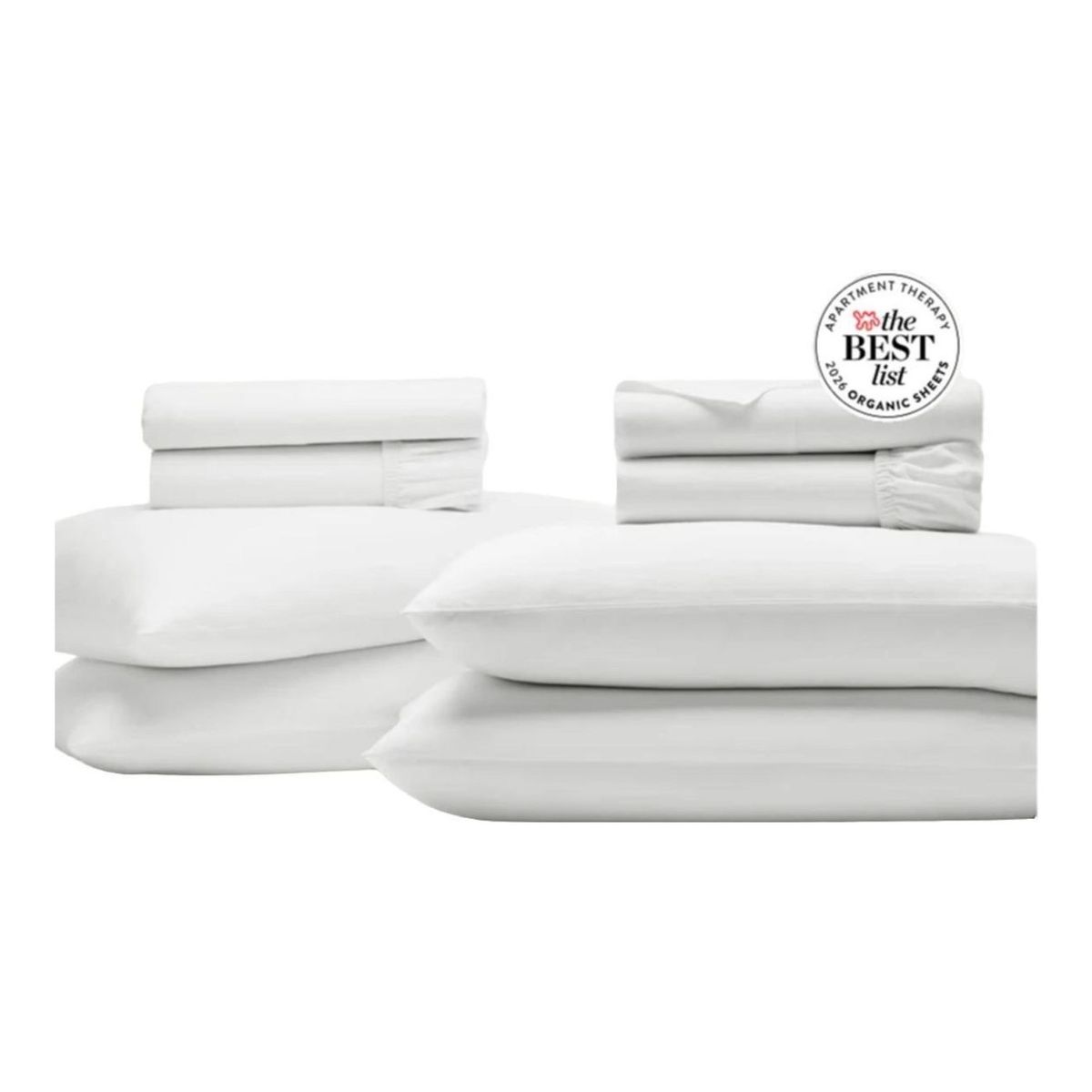
Boll & Branch Cooling Percale Sheet Set
Crisp, organic long-staple cotton in a percale weave, made to let air circulate and heat escape. Cool to the touch, and it only gets softer with washing.
Shop now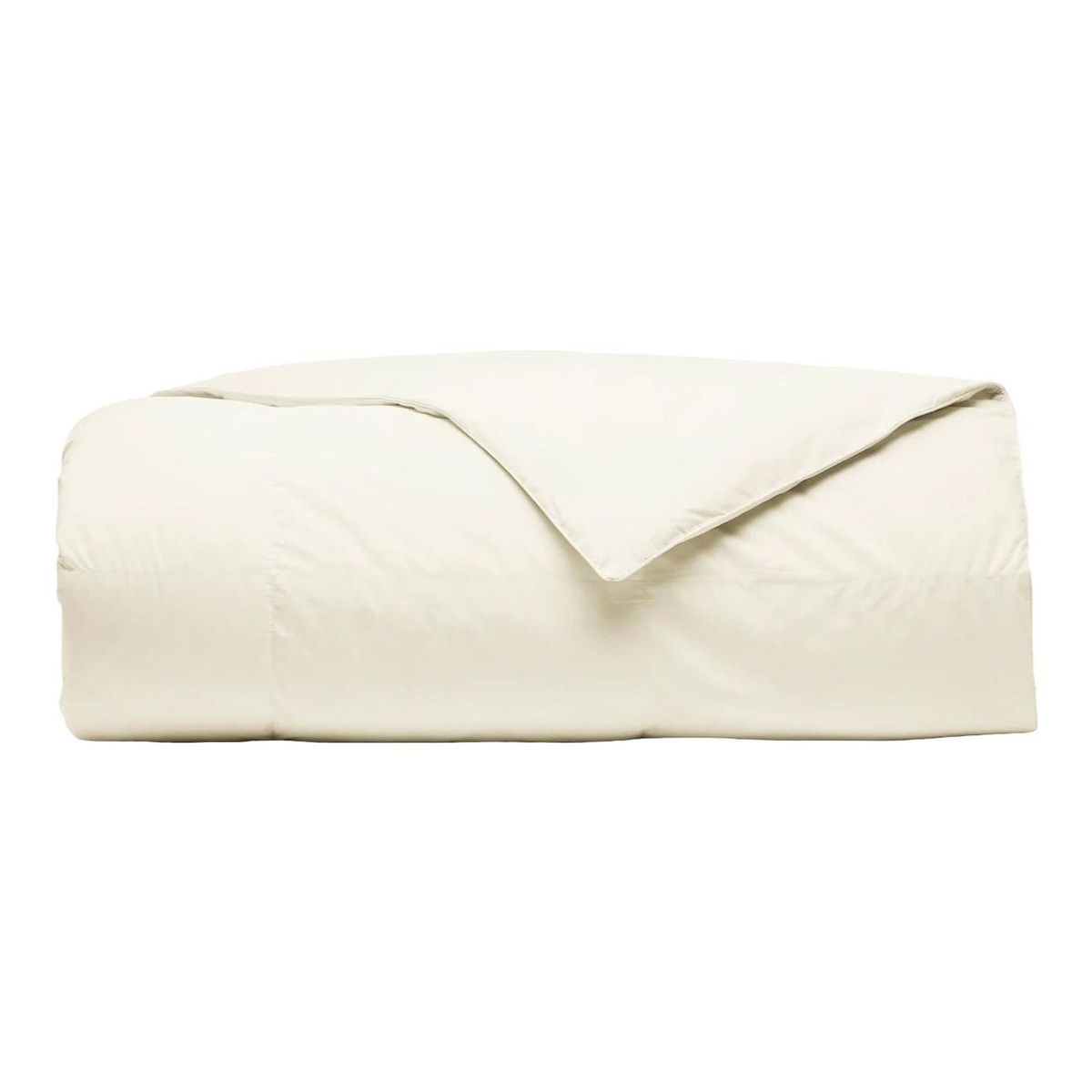
Boll & Branch Percale Quilted Down Comforter
A lighter, breathable comforter with an organic cotton percale shell, made for a hint of warmth without trapping heat. It's an all-in-one layer, so no duvet cover is needed.
Shop now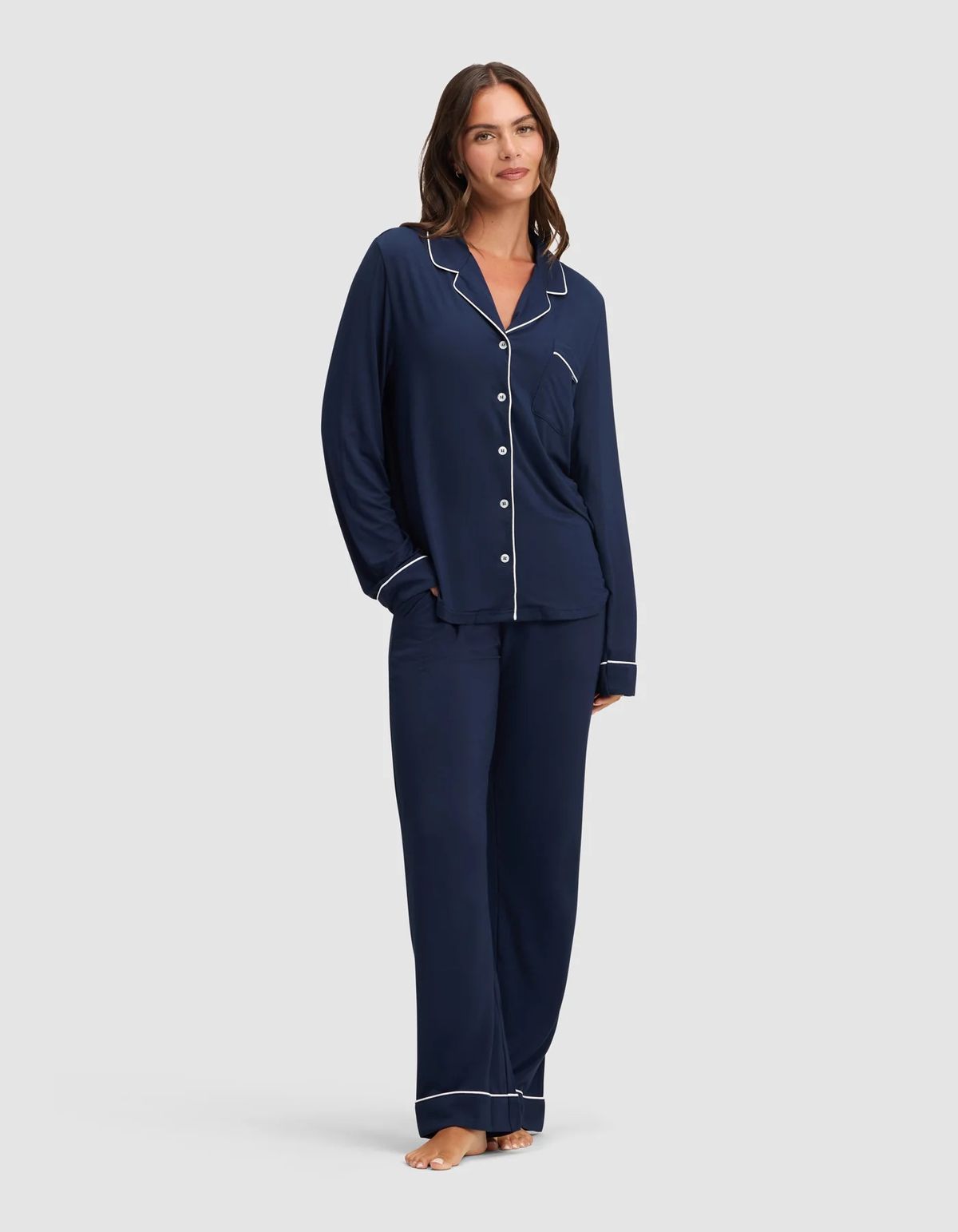
Cozy Earth Bamboo Pajama Set
Breathable, temperature-regulating pajamas for cooler nights.
Shop now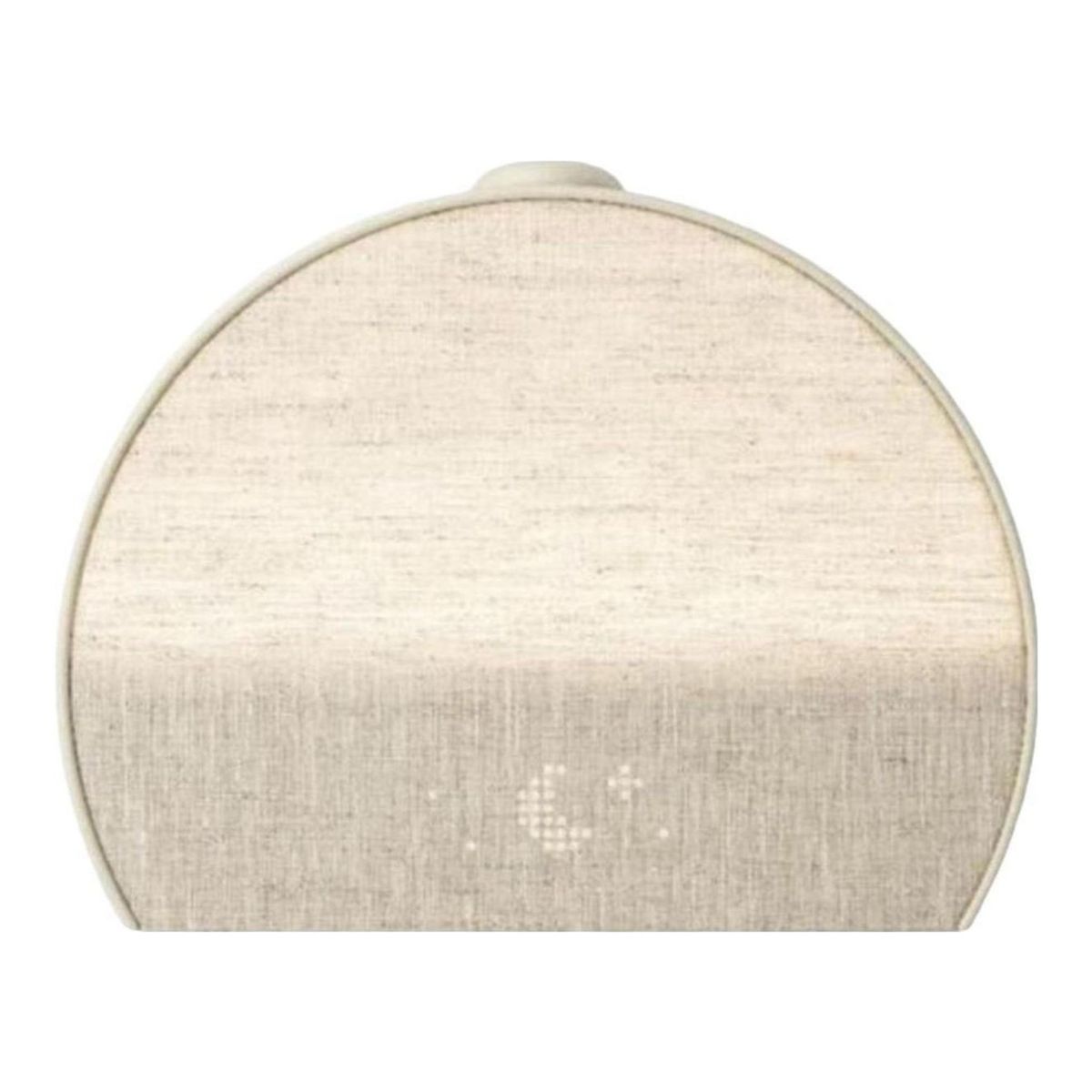
Hatch Restore 3
A sunrise alarm, soothing sounds, and a reading light in one, so your phone can stay out of the bedroom.
Shop now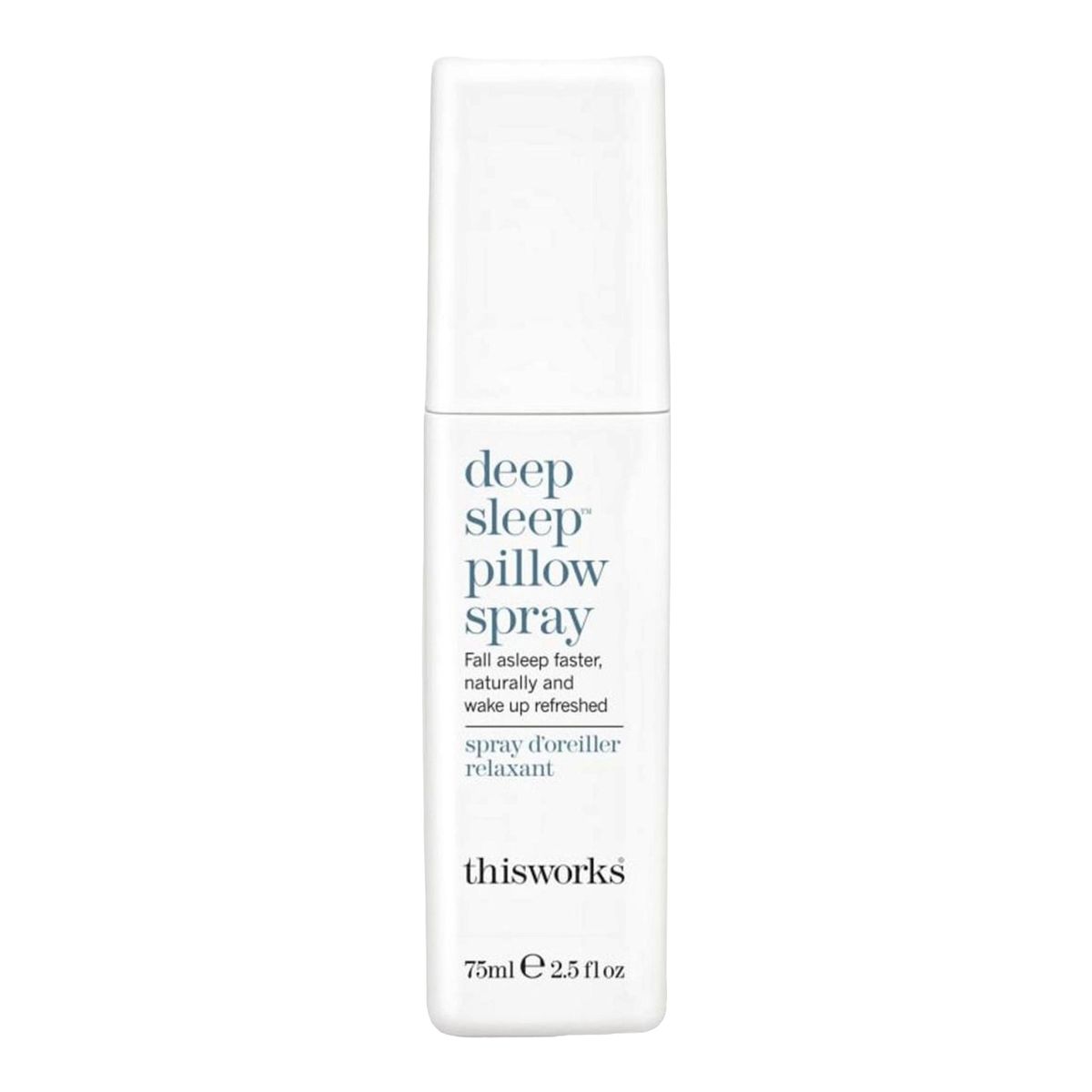
This Works Deep Sleep Pillow Spray
A mist of lavender, vetiver, and chamomile: a lovely sensory cue that the day is done.
Shop now
Apollo Neuro
A wearable that sends gentle, soothing vibrations, designed to help your body shift from stressed to calm, especially at bedtime.
Shop now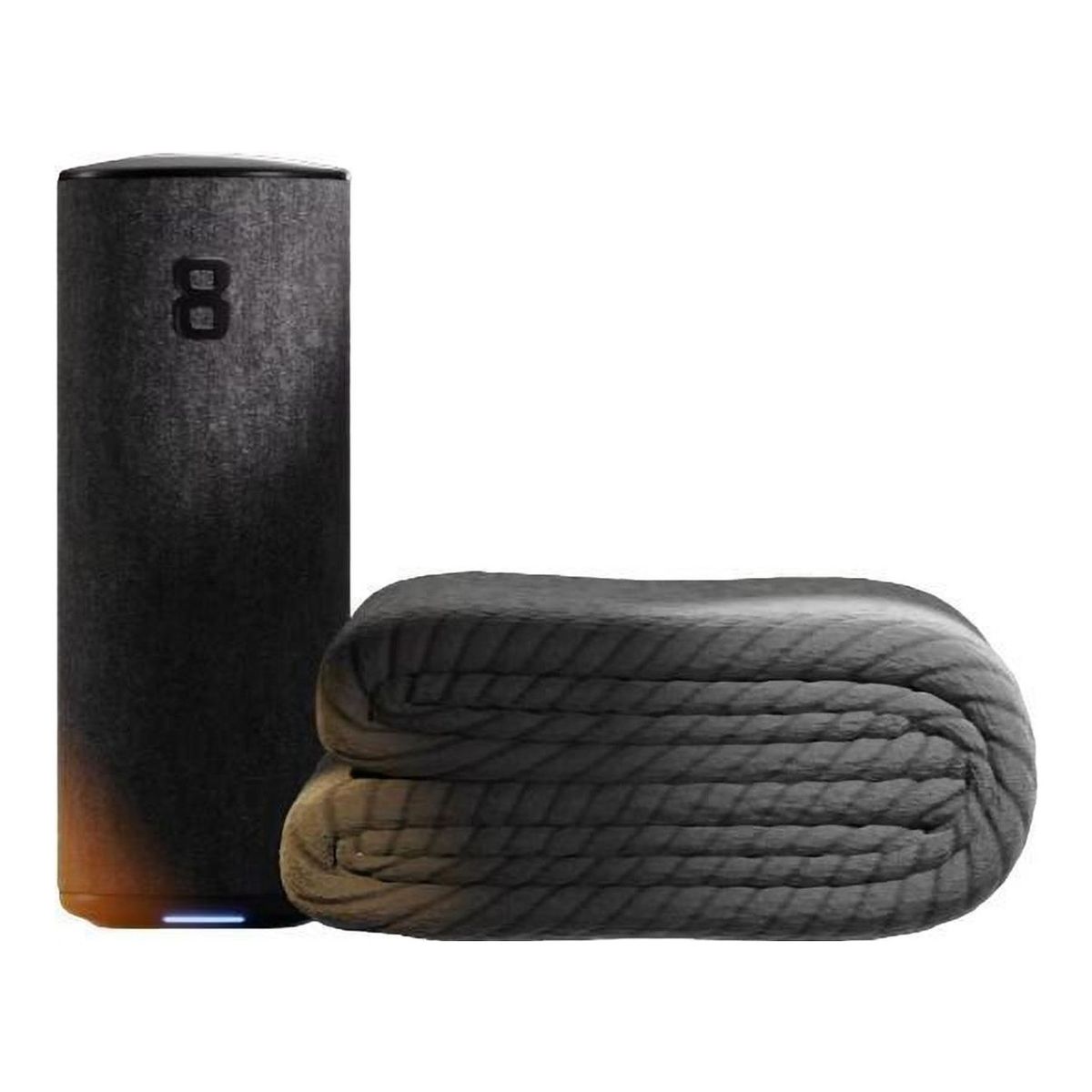
Eight Sleep Pod 5
Cools or warms each side of the bed, a splurge some hot sleepers swear by.
Shop nowYour sleep changed for real reasons, and there are real solutions. Start cool, consistent, and kind to yourself.